How to Protect Cards in the Mail with Tracking for Safe Delivery
Protecting your trading cards when mailing them is essential to preserve their value and ensure they reach the recipient safely. Using sturdy packaging designed for cards and choosing a mail service with tracking lets you monitor your shipment and reduces the risk of loss or damage. This guide explains how to select the right packaging, prepare your cards securely, pick reliable tracked mail options, label your package clearly, and balance cost with the level of protection you need.
What packaging keeps cards safe during shipping?
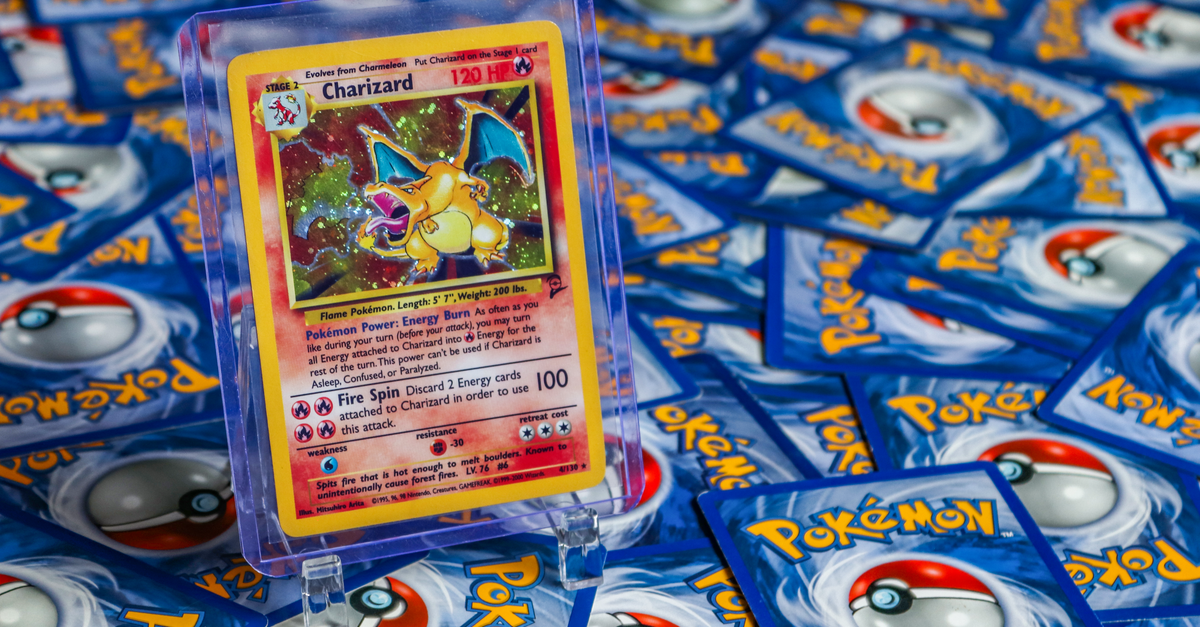
Start with soft penny sleeves to protect the card surface from scratches and dirt. Place each card inside one of these thin plastic covers. Next, use rigid top loaders—hard plastic holders that prevent bending and crushing—or card savers for higher-value cards, which offer semi-rigid protection with a secure seal.
After sleeving and loading, put your cards into a padded envelope or bubble mailer. These provide cushioning against shocks and compression during transit. When sending multiple cards, stack them neatly and place a piece of sturdy cardboard on each side inside the mailer to prevent bending. Avoid using standard envelopes alone, as they offer little protection against folding or moisture.
For moisture protection, you can add a ziplock bag or wrap the cards in a thin layer of plastic wrap before sleeving. Combining a protective sleeve, a rigid holder, and a padded mailer offers solid protection without adding unnecessary bulk.
How to prepare your cards for mailing step by step
- Insert each card into a soft penny sleeve, making sure it fits without bending.
- Slide the sleeved card into a rigid top loader or card saver, ensuring it lies flat and the holder is securely closed.
- If mailing multiple cards, stack them with faces aligned to minimize movement.
- Place the card or stack inside a small ziplock bag or wrap with plastic for moisture protection.
- Cut two pieces of sturdy cardboard slightly larger than the cards or stack.
- Sandwich the card(s) between the cardboard pieces, aligning edges carefully.
- Secure the cardboard with tape or rubber bands to keep the cards from shifting.
- Insert the entire package into a padded envelope or bubble mailer.
- Seal the mailer tightly using its adhesive strip or packing tape to prevent it from opening during transit.
Which mail services offer tracking and reliable delivery?
Most national postal services offer tracked shipping options suitable for mailing cards. In the U.S., USPS Priority Mail and First-Class Package Service include tracking numbers and typically deliver within a few days.
Courier companies like FedEx, UPS, and DHL also provide reliable tracking and faster delivery, though their services usually cost more. They offer detailed tracking updates and tend to handle packages carefully.
When choosing a mail service, consider your budget, how quickly the package needs to arrive, and the level of tracking you want. USPS tracked services often balance cost and reliability well for domestic shipments. For international shipments, courier services may provide better tracking and customs support but at a higher cost.
Always confirm the service provides an online-accessible tracking number so you can follow your package’s progress.
How to label and document your package to ensure smooth delivery
Fill out the shipping label clearly and completely, including postal codes, apartment numbers, and the country for international shipments. Printed labels reduce errors compared to handwriting.
For international mail, fill out customs forms accurately, declaring your cards as collectible trading cards with their value. Attach these forms securely in the designated pouch.
Write your return address clearly on the package in case it needs to be returned.
Before mailing, keep a copy or photo of the shipping label and tracking number as proof of shipment and to help track your package.
If mailing at a post office or courier counter, request a receipt that includes the tracking number and keep it until delivery is confirmed.
What to do after sending: tracking and confirming delivery
Use the tracking number to monitor your package online through the carrier’s website or app. Tracking updates typically show location changes and estimated delivery dates.
Check tracking regularly, especially as the expected delivery date nears, so you know when the recipient should get the cards.
If tracking stops updating for several days or the package is delayed, contact the carrier’s customer service with your tracking number to investigate.
If the package is lost or marked delivered but not received, file a claim with the carrier. Provide your receipt and tracking details to support the claim.
Keep the buyer or recipient informed throughout this process so they know what to expect and can confirm receipt promptly.
Conclusion
By using sturdy protective packaging, preparing your cards carefully, selecting a mail service with tracking, and labeling your package clearly, you minimize the risk of damage or loss. Tracking your shipment gives you control and peace of mind, allowing you to act quickly if problems occur. Following these steps helps maintain your cards’ value and ensures they arrive safely at their destination.
Frequently Asked Questions
Can I use regular envelopes to mail trading cards safely?
No. Regular envelopes don’t protect against bending or moisture well enough. Use padded envelopes with rigid holders to keep your cards safe.
Is tracking necessary when mailing cards?
Yes. Tracking lets you see where your package is and helps if it gets lost or delayed.
What if my package gets lost despite using tracking?
Contact the carrier quickly to file a claim with your tracking number and receipt. Keep the recipient informed as you work to resolve the issue.